
Bamboobility is an open-source initiative that aims to enable the creation of a low-tech wheelchair that is accessible to all people, regardless of geographic or economic constraints.
The project focuses on affordability, simplicity, and accessibility. The wheelchair is designed as a DIY build, using low-cost materials and simple tools that are widely available, making it possible to reproduce and repair in low-resource contexts.
Developed at the RWTH Aachen University in collaboration with the Swiss association Roll On, Bamboobility places special emphasis on the use of bamboo, an abundant, renewable, and locally available material in many regions of the world. Bamboo’s strength, flexibility, and sustainability make it a suitable core material for a robust and repairable wheelchair design.
The Bamboobility wheelchair is designed for daily mobility use in both indoor and outdoor environments. While the wheelchair can be used outdoors, prolonged exposure to rain is not advised
The maximum recommended loading capacity is 80 kg, including the user body weight and potential luggage. This limit is based on testing and is intended to ensure safe operation under normal conditions. The actual load-bearing capacity may vary depending on several factors, including:
- The quality and species of bamboo used
- The precision and strength of the rope bindings and knots
- The overall craftsmanship and construction quality
- Regular inspection and maintenance of the wheelchair
The builder is solely responsible for testing the wheelchair before use. Any tests conducted by Bamboobility were performed under specific materials, methods, and environmental conditions, which may not apply to alternative materials, construction techniques, or local environments.
The material needed for the construction of the bamboo wheel chair is split into externally sourced and locally sourced items. The tools are not included in the DIY kit, but have to be sourced locally as well. If needed, refer to you local repair shop for assistance.
The following items are available on request as a DIY kit through our partner NGOs. For each component, we recommend qualified suppliers suitable for bulk orders and centralized kit assembly. Distribution and shipping must be centrally organized e.g., by the NGO.
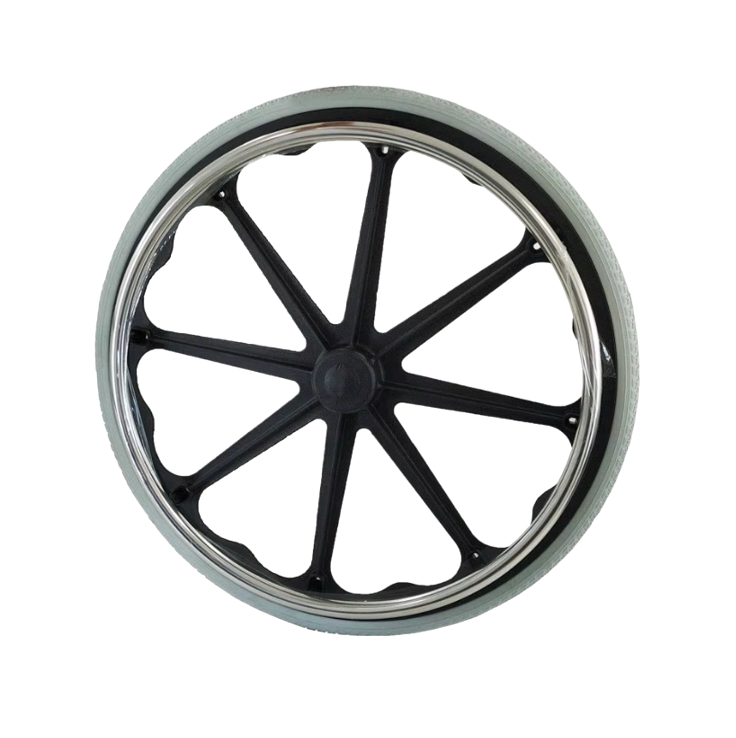
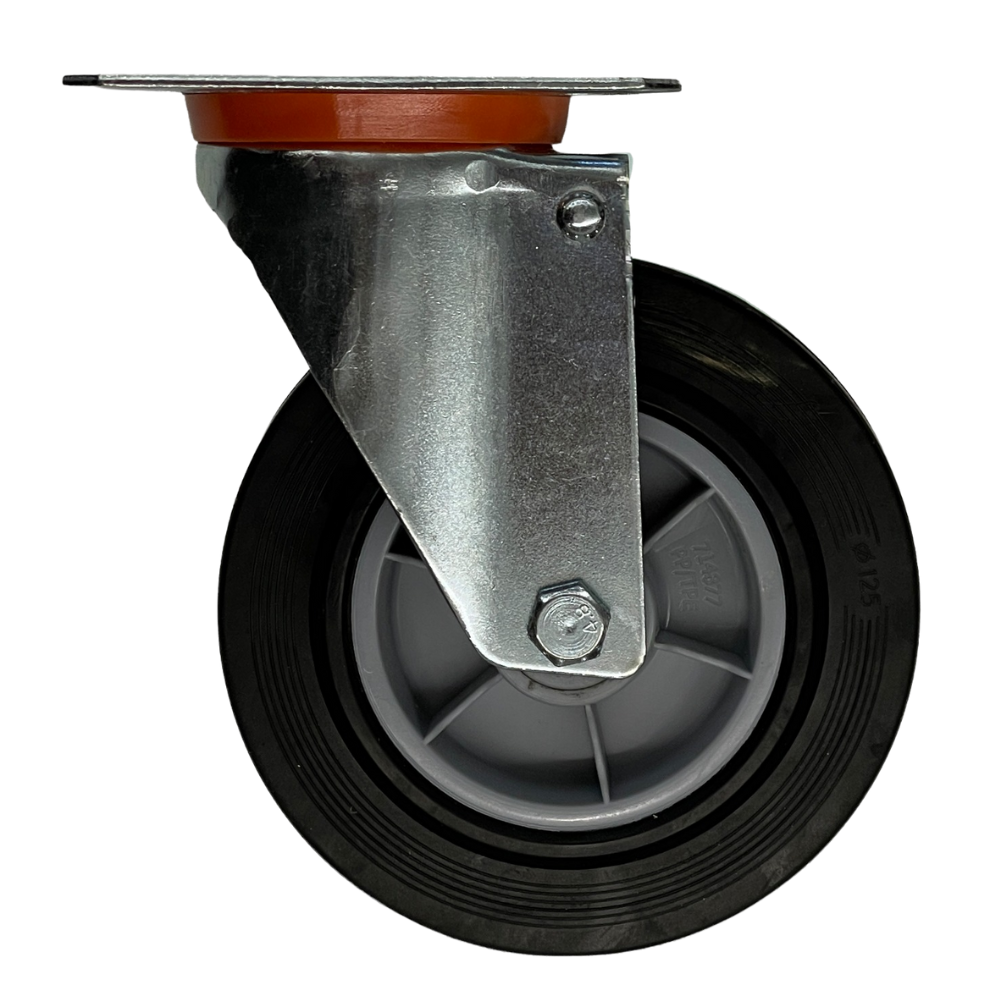
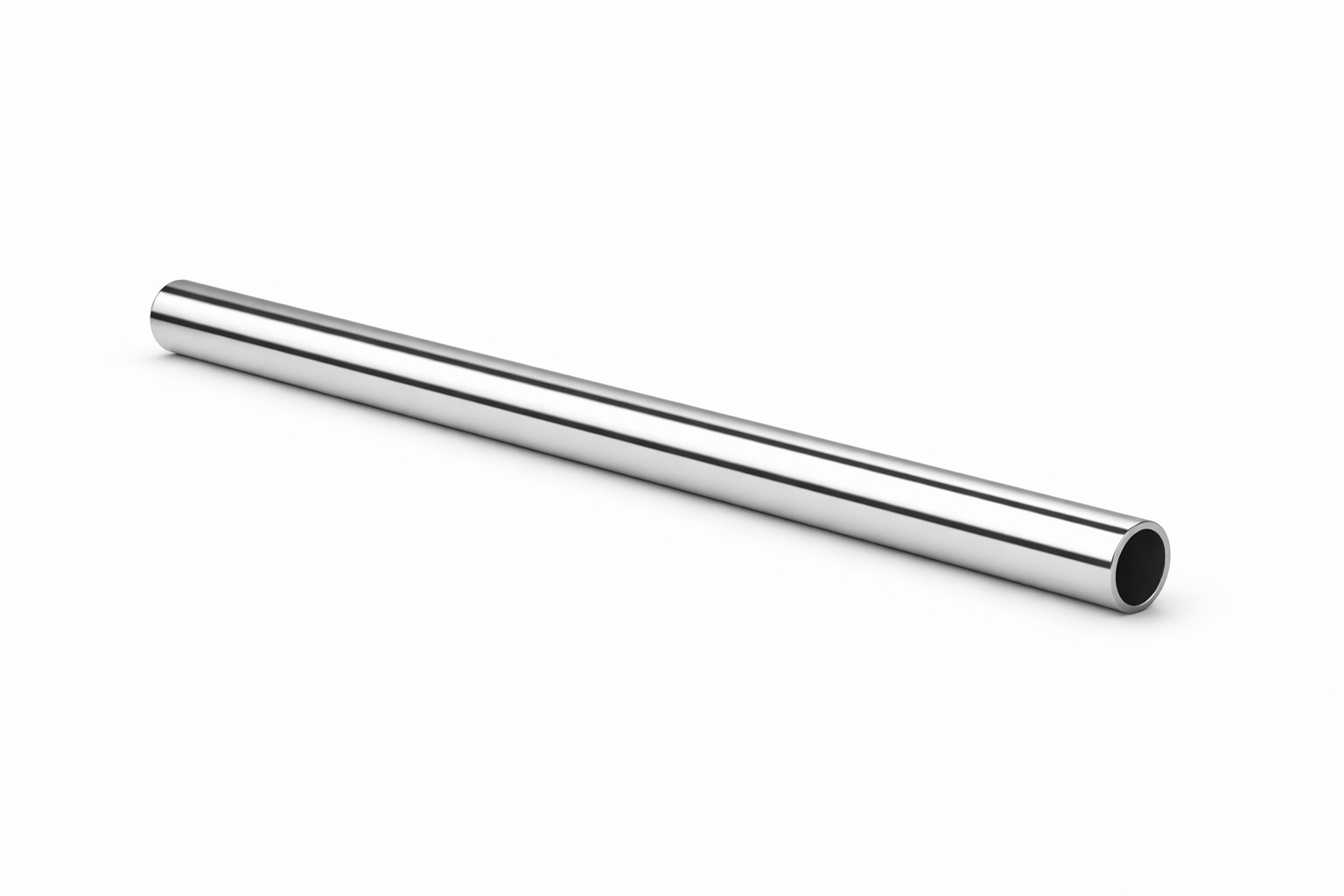

The following items should be sourced locally, preferably by the builder. We recommend using local hardware stores or online marketplaces, such as Lazada or Toko in Indonesia. When building multiple wheelchairs at once, additional cost savings can be achieved through bulk purchasing. Feel free to chose a cushioning to your availability and preference, the pipe insulation is only a suggestion.
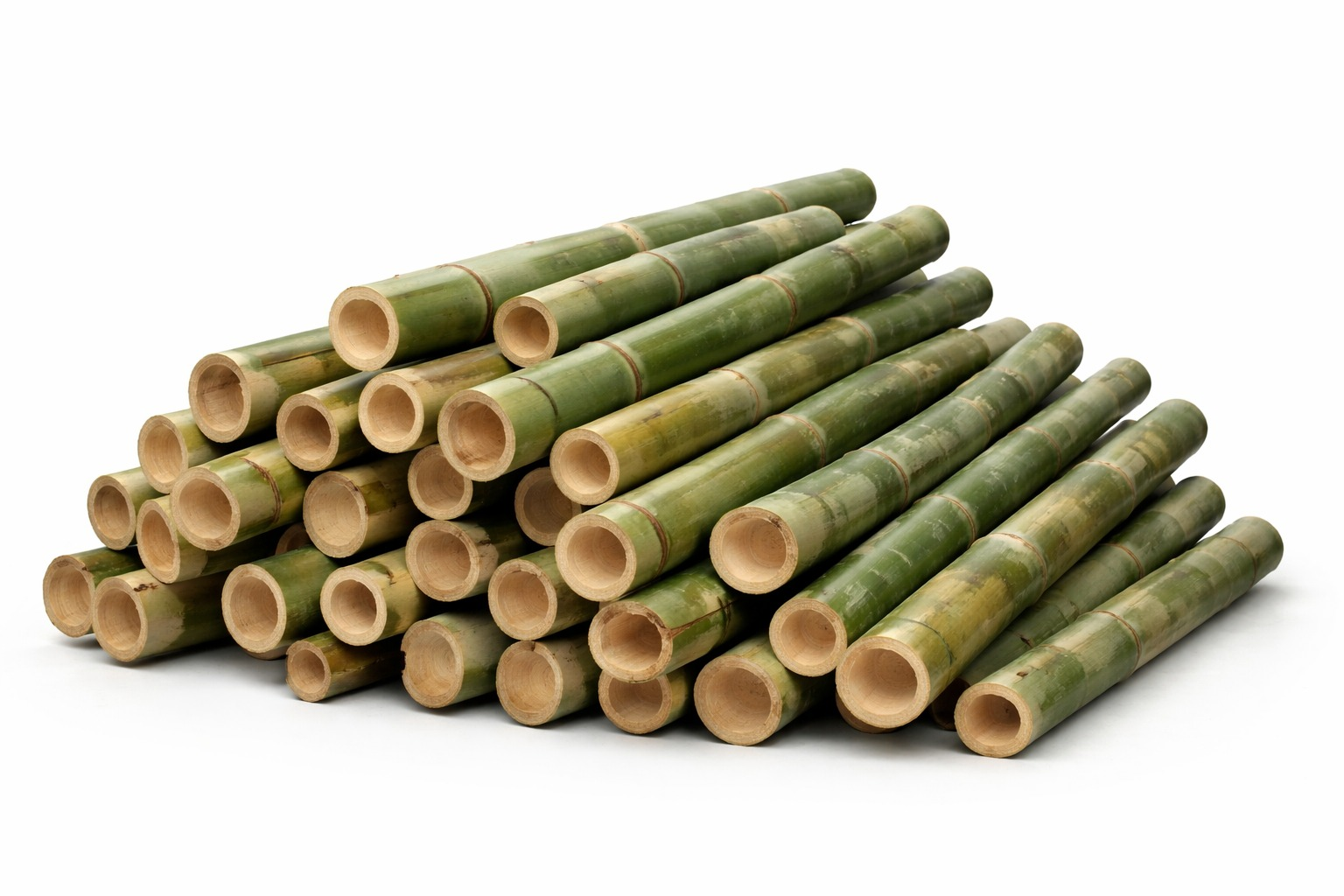

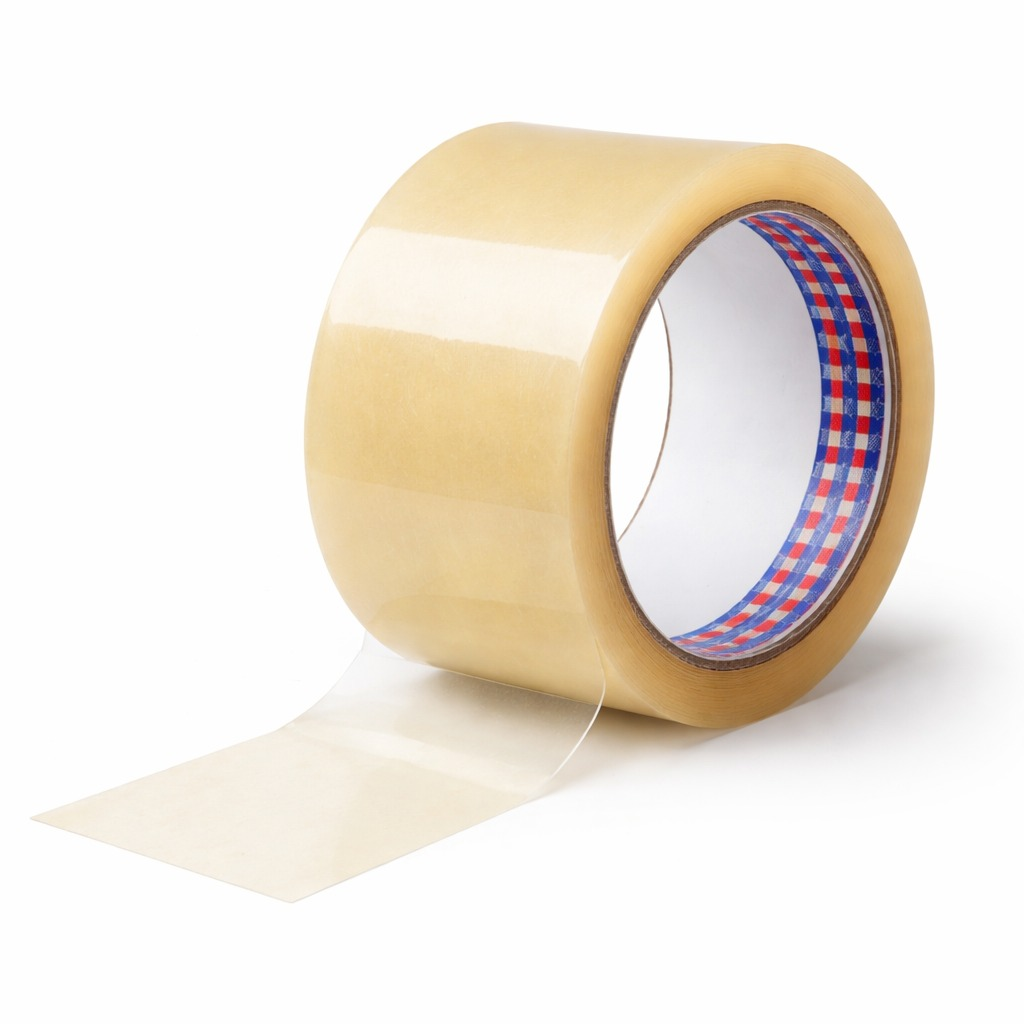
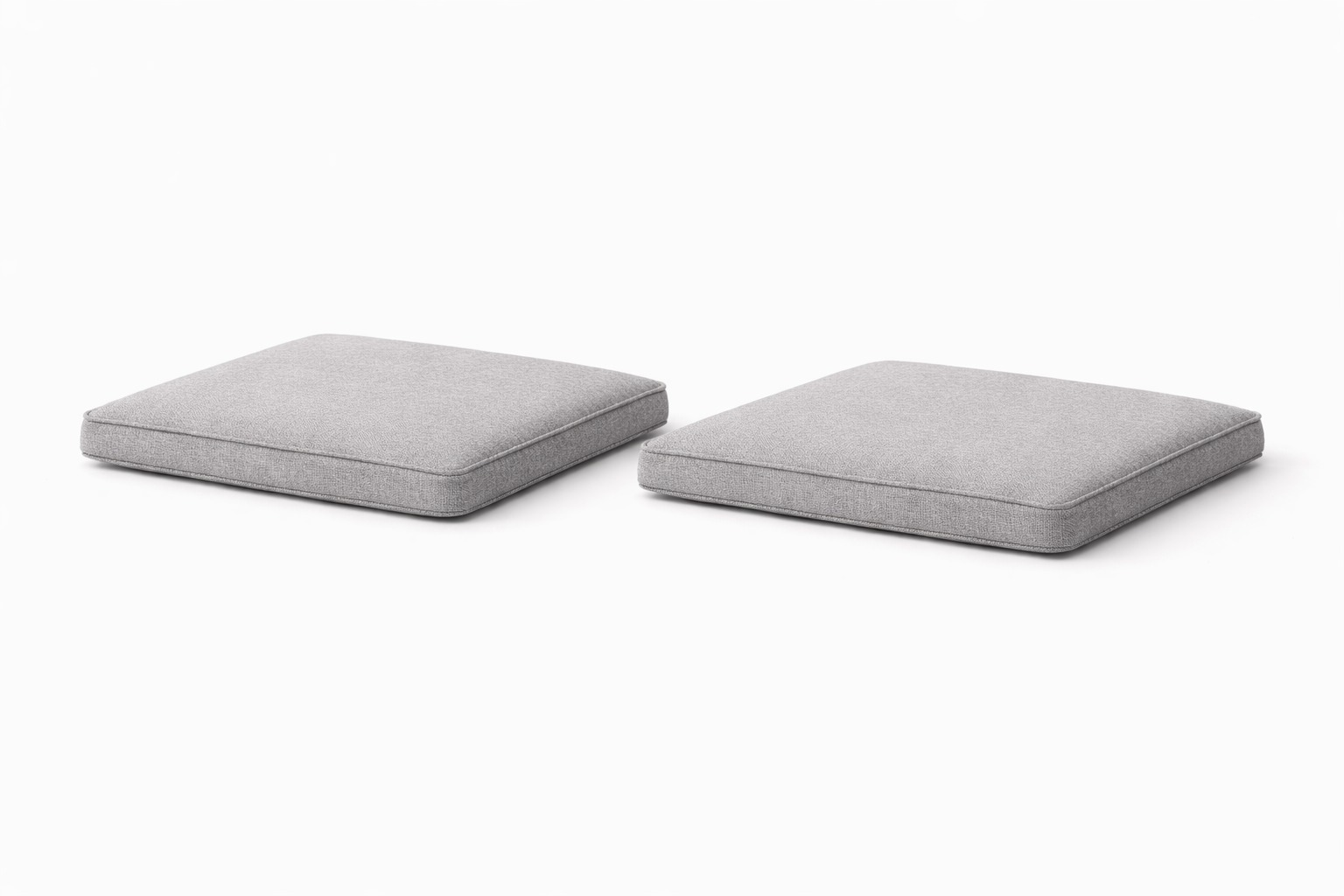
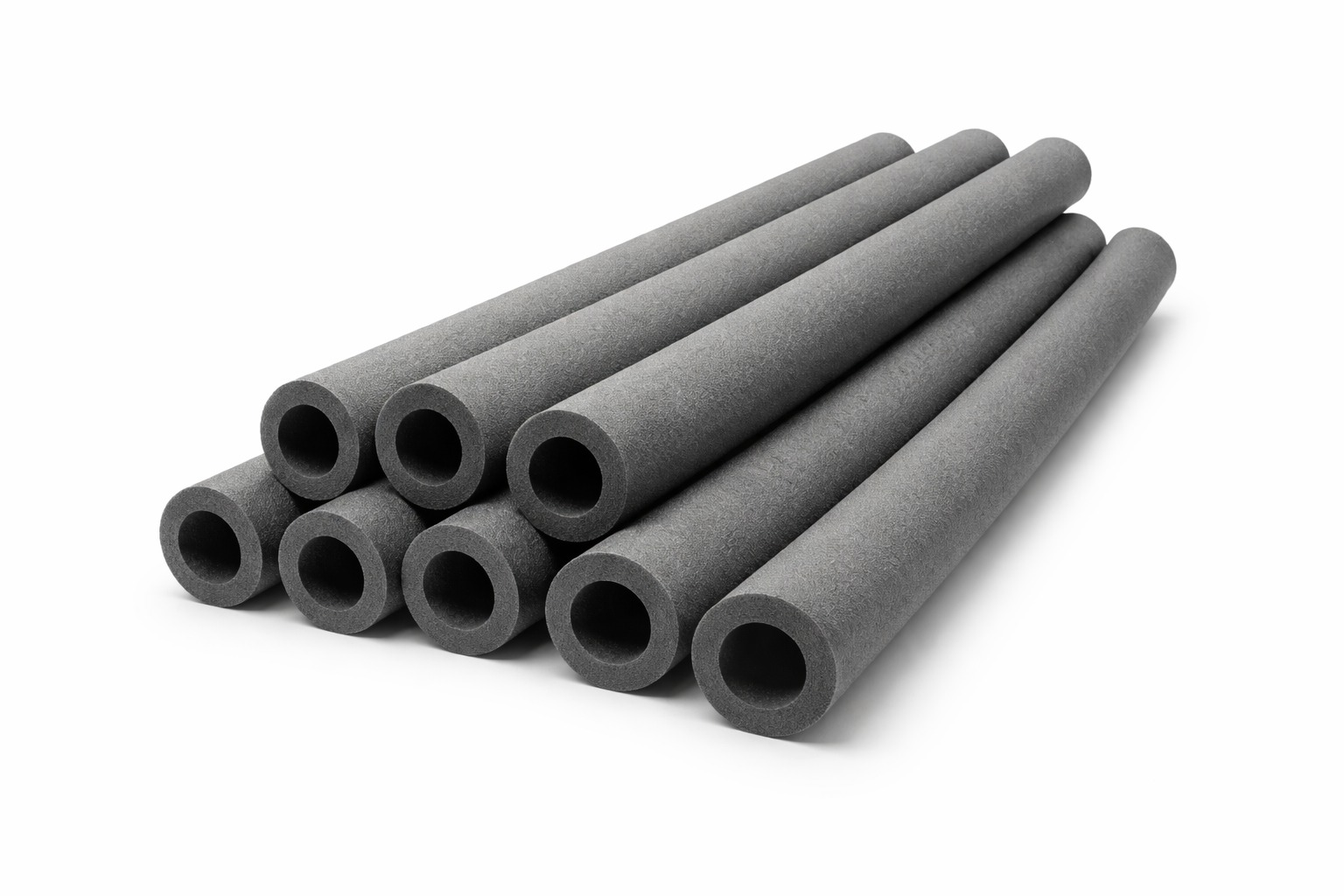
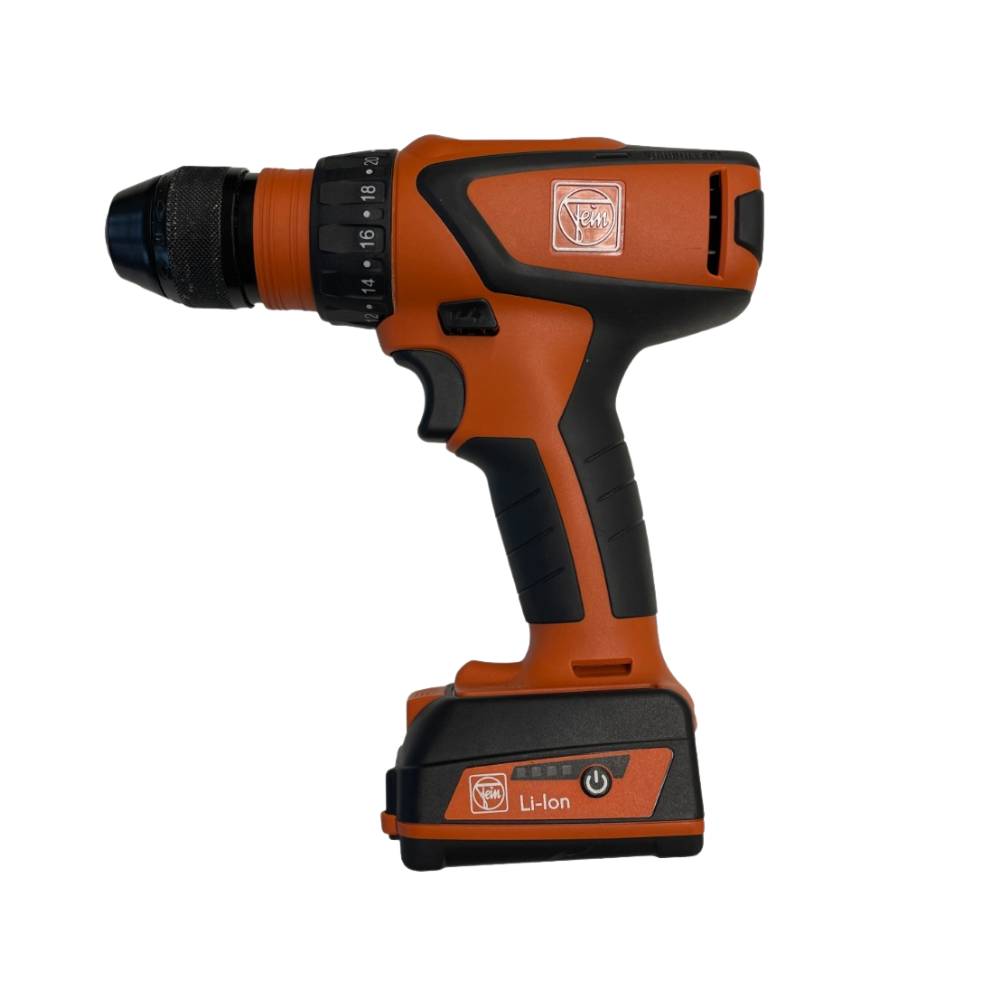
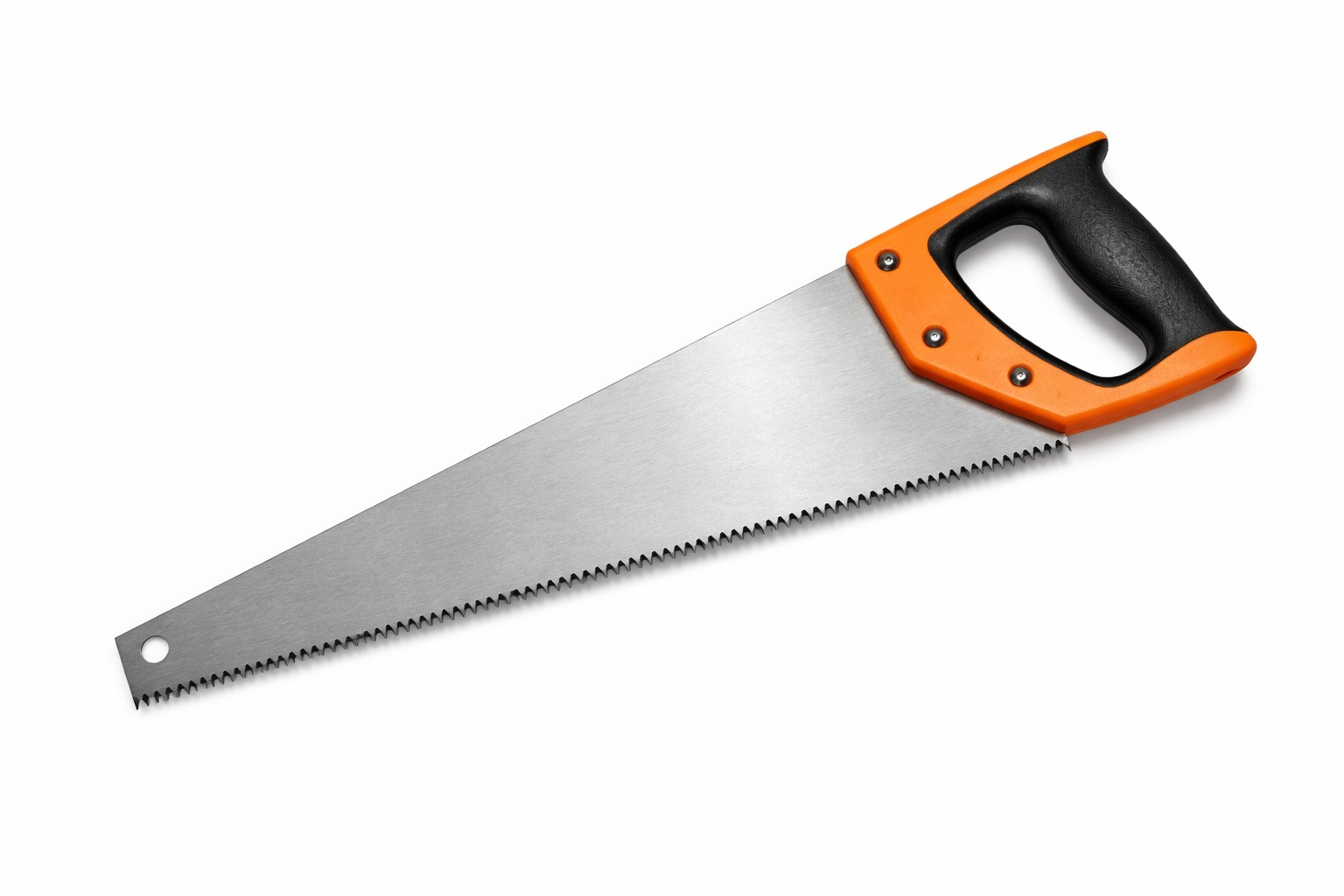
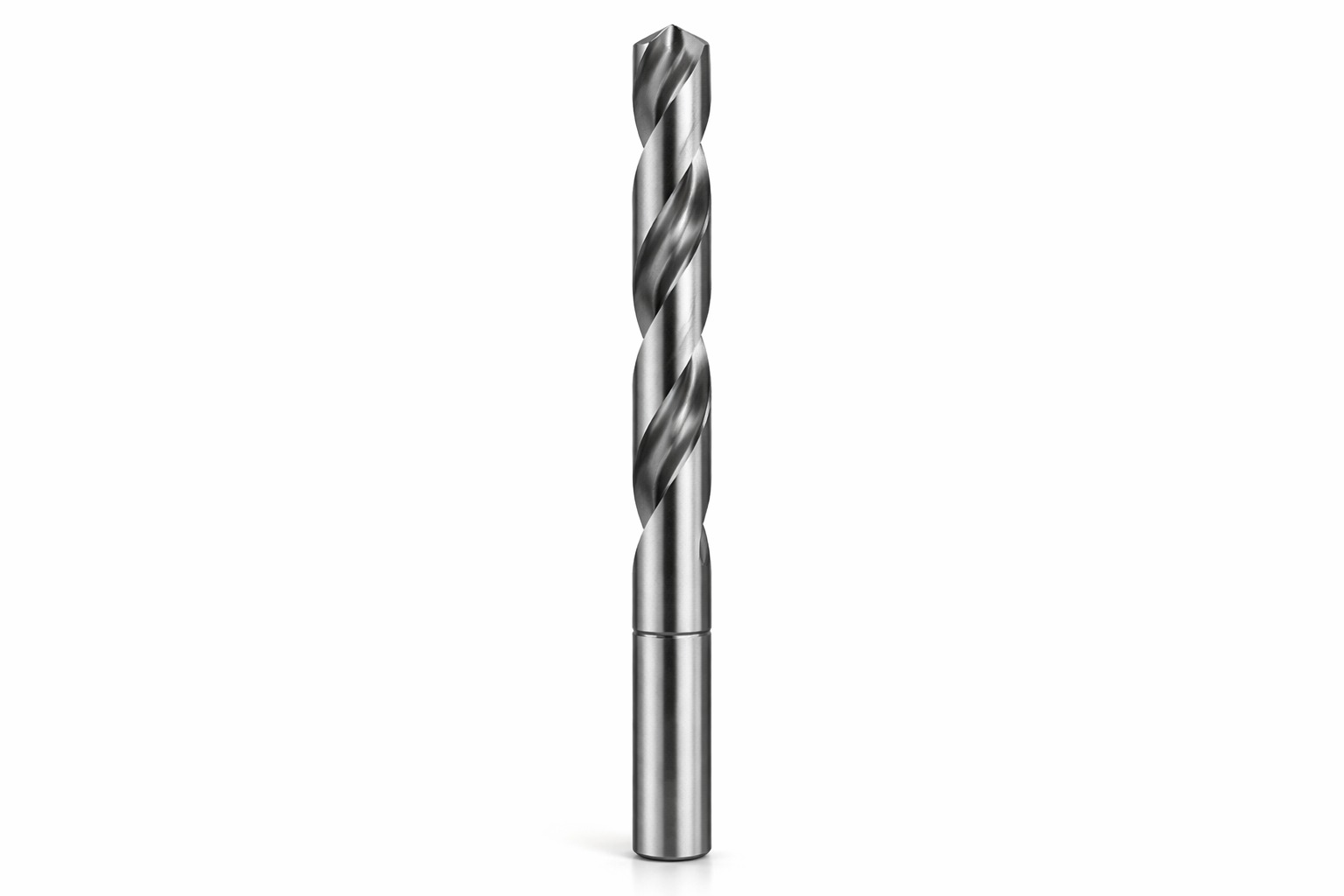
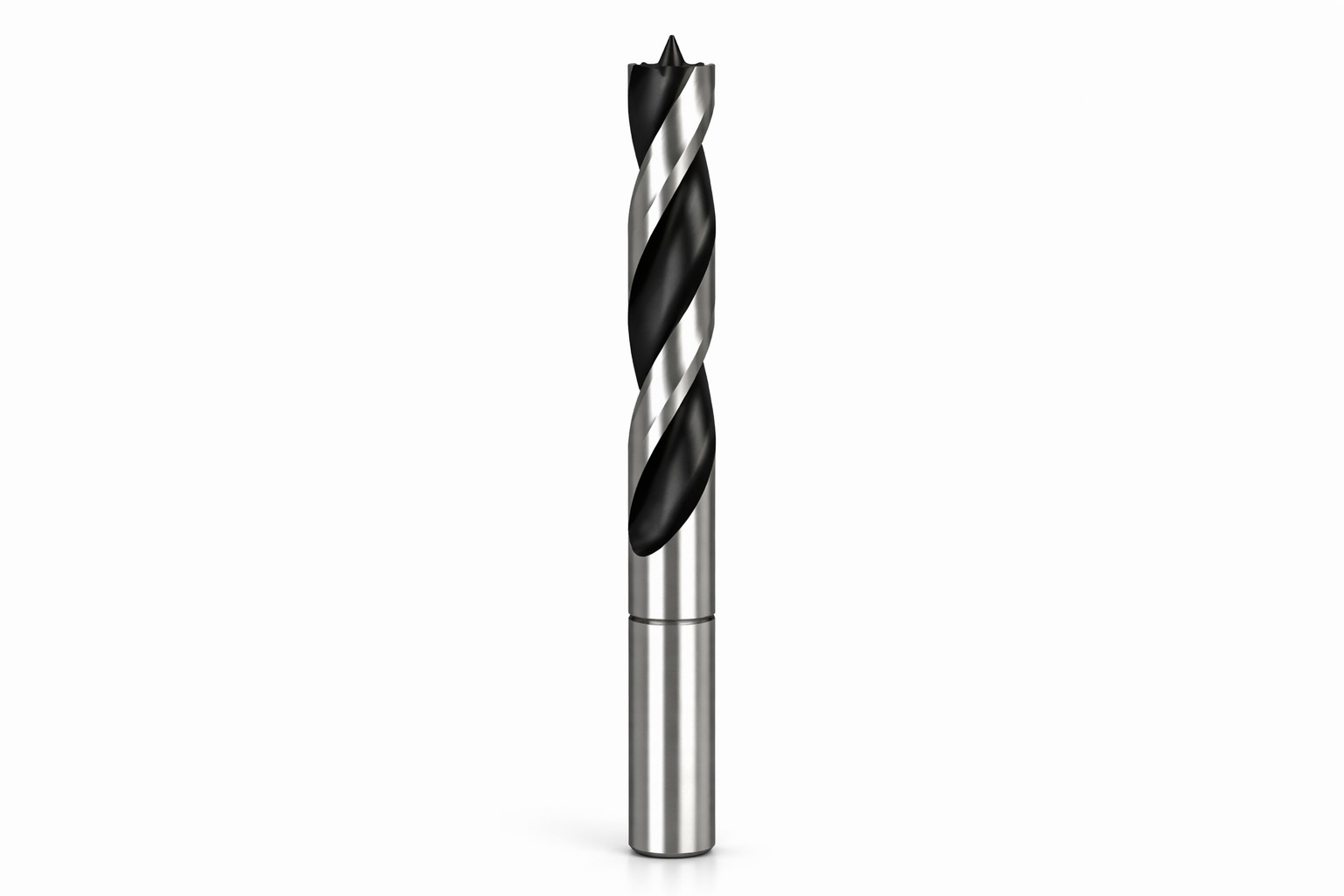
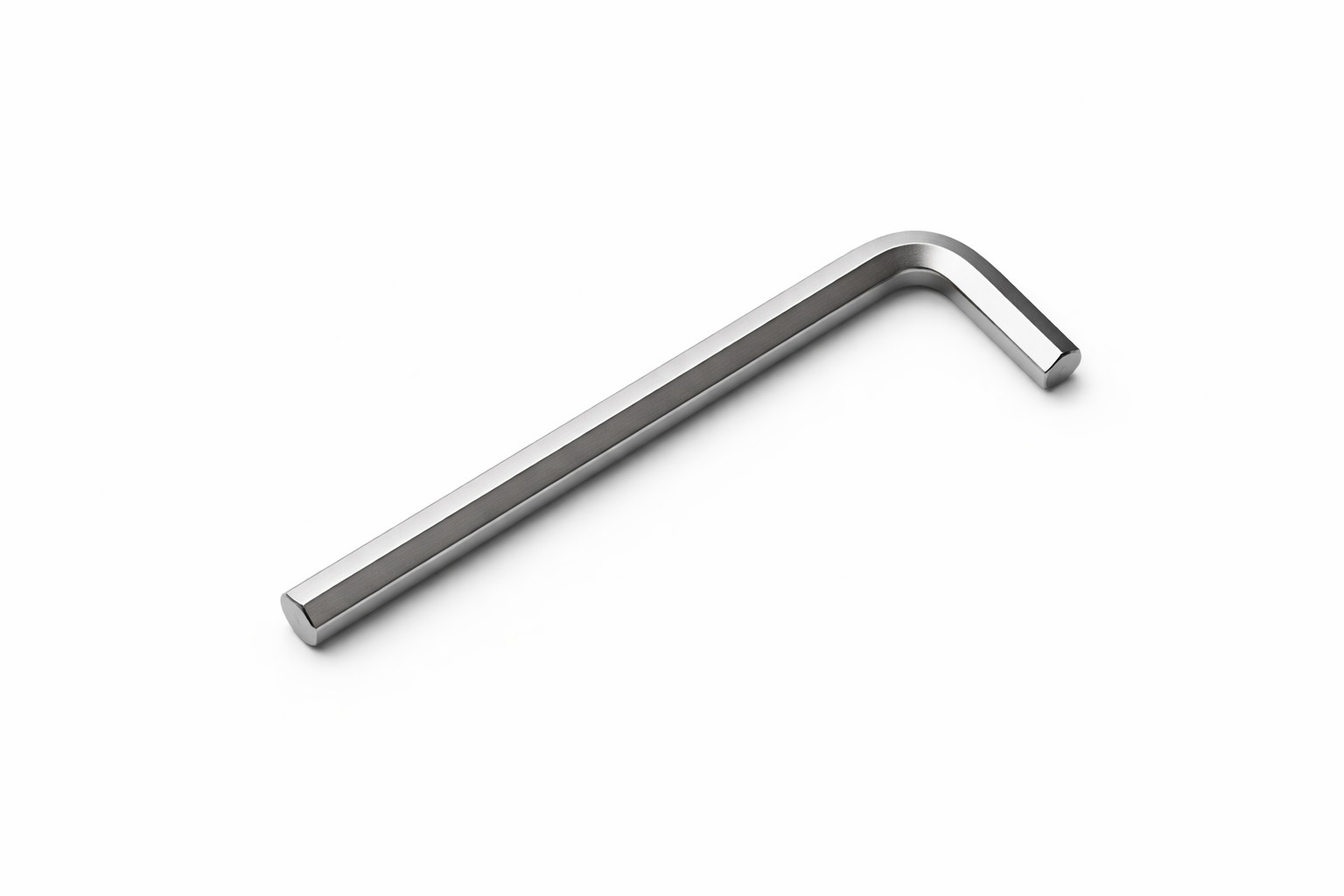
The following tools are recommended for efficient construcion of the wheelchair. See the assembly construction for more details.

Interested in building your own bamboo wheel chair? Check out our videos for detailed visual instructions.
As an open-source project, continuous improvement depends on community involvement. We invite you to join the discussion, share your experiences, and contribute ideas for improvement on our GitHub repository or in the comments of our YouTube videos.
We wish you a great and rewarding experience while building the wheelchair, and we hope this documentation supports you throughout the process.
Have questions, ideas, or feedback? Join the discussion, contribute on GitHub or contact us directly via E-Mail!